
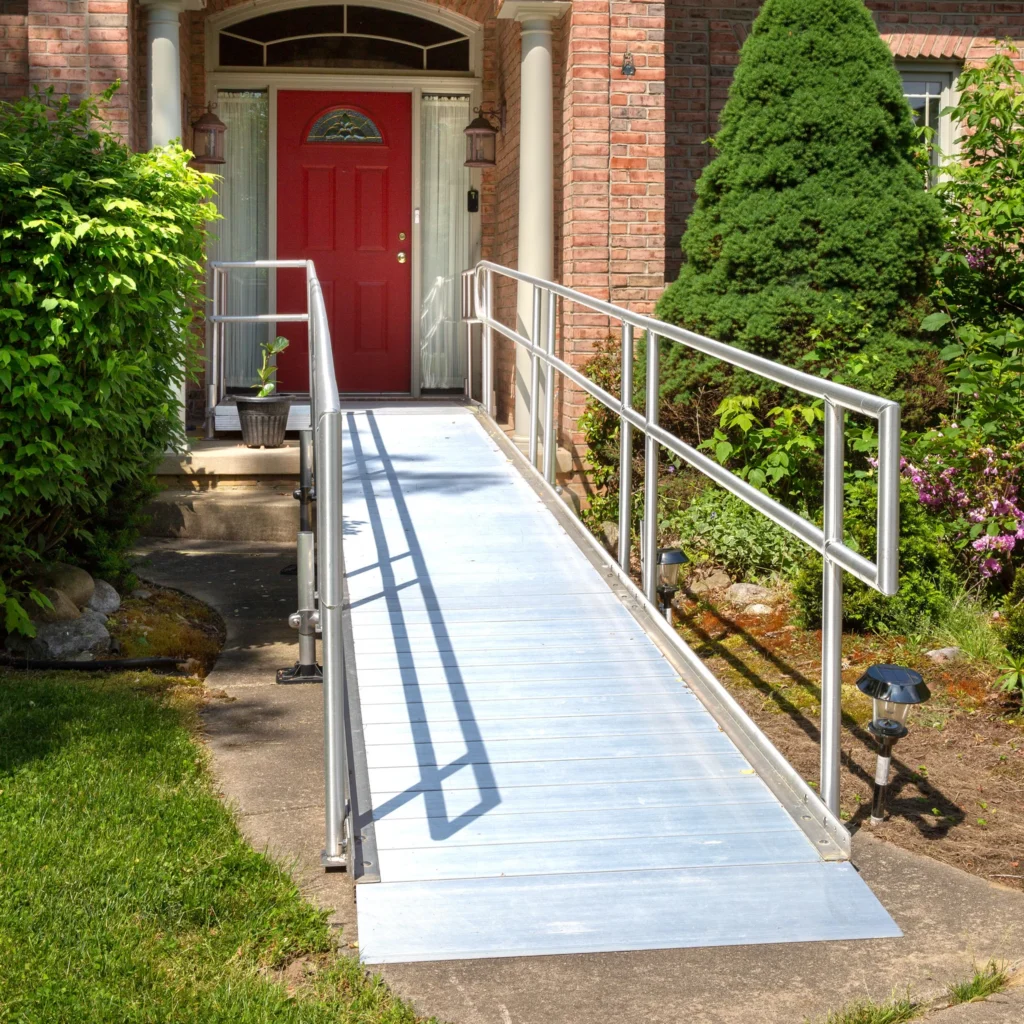
A wheelchair ramp is not just a way to get from the driveway to the door. The right ramp plan makes daily entry safer, easier to repeat, and less stressful for the person using the home. In New Orleans, Baton Rouge, and nearby Louisiana communities, ramp planning also needs to account for weather, threshold changes, drainage, and the way the home is actually used each day.
Start with the route people use most
The best ramp location is often the entrance that already fits the household routine. That may be a front door, side entry, carport, garage, or porch. A consultation should look at parking, lighting, doorway width, the landing area, and whether the path stays clear during rain.
Think about temporary and long-term access
Some families need a short-term access improvement after surgery or an injury. Others need a durable ramp plan for long-term mobility support. The expected use changes the material, layout, and installation approach. A quick portable ramp may solve one threshold, while a larger entry ramp may need more careful planning.
Connect ramp access to the rest of the home
A safer entrance is only one part of accessibility. Many homes also need bathroom safety improvements, grab bars, railings, doorway review, or a stair lift conversation. Step Into Safety can look at ramp access as part of the broader safety picture.
To review options, visit wheelchair ramps, see the service area, or contact Step Into Safety.